10 Best UV Systems for Water Treatment Worldwide?
Choosing the 10 Best UV Systems for Water Treatment Worldwide requires more than comparing lamp wattage or advertising claims. Reliable selection begins with verified performance, practical installation experience, and transparent technical data.
Dr. James R. Bolton, a respected ultraviolet-treatment researcher, has stated, “UV disinfection is a physical process, not a chemical one.” This distinction matters. Uv Systems can inactivate many microorganisms without adding chemical residuals, but performance depends on delivered UV dose, water clarity, flow rate, and reactor design. A powerful lamp cannot compensate for poor pretreatment.
Real facilities reveal the difference. In a drinking-water plant, operators may monitor ultraviolet transmittance while inspecting quartz sleeves for mineral buildup. In a small commercial system, simple alarms and accessible replacement parts may matter more than maximum output. Maintenance is not optional. Neither is validation.
This guide compares ten leading Uv Systems across municipal, industrial, residential, and specialized applications. The assessment considers independent validation, dose-monitoring accuracy, energy use, lamp life, control features, certifications, service support, and total ownership cost. Regional requirements also influence suitability, because a system accepted in one market may need additional documentation elsewhere.
No ranking is perfectly universal. Water chemistry changes. Operating conditions change. Even strong equipment can underperform when neglected. Readers should confirm laboratory results, manufacturer documentation, and local compliance requirements before purchasing. The best system is not always the most expensive one. It is the system that consistently delivers the required treatment under real operating conditions.
How UV Water Treatment Systems Work
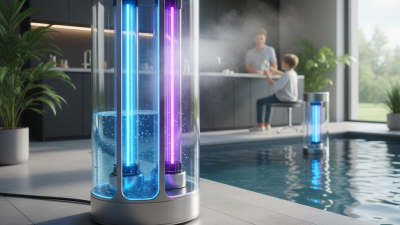
Ultraviolet water treatment uses short-wave UV-C light to damage microbial DNA. This prevents bacteria, viruses, and protozoa from reproducing. No chemicals are added. No taste is created.
Inside a UV chamber, water passes around a low-pressure or medium-pressure lamp. A sensor checks UV intensity, while a flow controller limits exposure time. The US EPA UV Disinfection Guidance Manual recommends validated reactor performance, not simple lamp ratings. For many drinking-water applications, a validated dose near 40 mJ/cm² is used for high-level pathogen inactivation. Actual requirements depend on the target organism and local rules.
Water clarity matters greatly. Suspended particles can shield microorganisms from light. The World Health Organization identifies turbidity control as an important condition for reliable UV performance. In practice, a technician may install sediment filtration before the reactor, then clean the quartz sleeve when deposits appear. Hard water can leave a cloudy mineral film. It looks minor, but it can reduce delivered dose.
Maintenance is not optional. Lamp output declines with age, even when the lamp still glows. The system should record operating hours, flow, UV intensity, and alarm events. Independent validation remains essential, because laboratory results may not match a busy household or industrial line. UV also provides no lasting protection after treatment. A contaminated storage tank can undo excellent disinfection. That weakness is easy to overlook. It deserves honest attention.
Key Criteria for Evaluating UV Systems Worldwide
Choosing among the 10 best UV systems for water treatment worldwide requires more than comparing advertised lamp power. A reliable evaluation begins with validated UV dose, measured under real flow rates and water conditions. Transmittance, turbidity, temperature, and suspended solids can reduce performance. A strong system should maintain the required dose during peak demand, not only during laboratory testing. Ask for independent validation data and clear operating limits.
Field experience also shows that monitoring design matters. Look for accurate UV intensity sensors, flow meters, automatic cleaning, and alarms that operators can understand quickly. Sensor calibration records should be easy to review. Lamp replacement should not require unusual tools or lengthy shutdowns. Energy use deserves attention, especially in large plants operating continuously. Redundant lamp banks can improve resilience, but they also increase maintenance costs and control complexity.
Regulatory acceptance differs across regions, so documentation must match the installation location. Check electrical safety, materials compatibility, data logging, and local approval requirements. Service support is equally important; a technically excellent unit may perform poorly without trained technicians and spare parts. No scorecard is perfect. A high dose rating alone can mislead. Pilot testing is wise when water quality changes seasonally or contains unusual compounds. I would also question systems that hide maintenance assumptions behind impressive efficiency figures. Clear limitations often indicate more trustworthy engineering.
Ten Leading UV Water Treatment Systems Compared
Ten Leading UV Water Treatment Systems Compared
Comparing ten leading UV water treatment systems requires more than checking lamp wattage. A reliable review examines validated UV dose, flow rate, transmittance, sensor accuracy, and maintenance access. Low-pressure systems often suit homes and small facilities because they use less power. Amalgam lamp units can deliver stronger output in compact chambers. Medium-pressure systems handle demanding industrial flows, but their energy use and heat require careful planning.
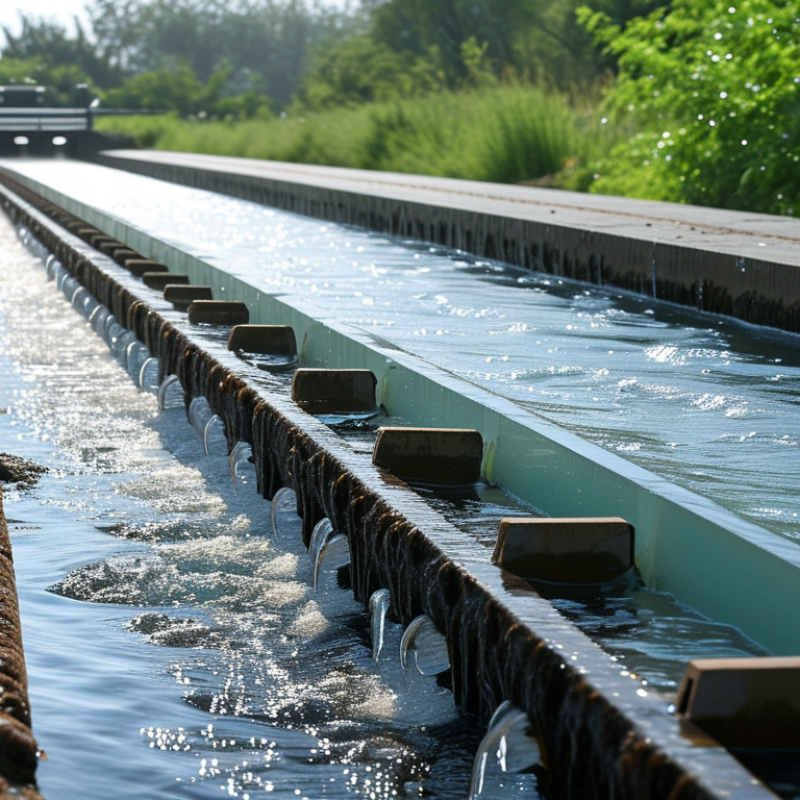
The comparison also includes point-of-use units, whole-house vessels, municipal skids, open-channel installations, wastewater polishing systems, mobile treatment trailers, and systems with integrated prefiltration. Each design responds to different water conditions. Clear water is essential because iron, manganese, sediment, and organic matter can shield microorganisms from UV exposure. A five-micron filter may help, but it cannot correct every contamination problem.
Look for independent performance validation, automatic lamp monitoring, dose alarms, and a readable service record. Standards and approval requirements differ across countries, so local certification matters. A practical inspection should include quartz sleeve cleaning, lamp replacement intervals, electrical protection, and bypass control. That detail is often missed. No system wins every site. A high-output unit may perform poorly when the water changes suddenly or the sensor becomes fouled. One weakness remains easy to overlook: operators sometimes trust the display without testing the upstream filter. Regular sampling, documented maintenance, and conservative flow settings make the comparison more credible.
Applications, Certifications, and Maintenance Requirements
The ten best UV systems for water treatment should be judged by application, certification, and maintenance—not lamp wattage alone. Municipal drinking water, private wells, aquaculture, food processing, and wastewater reuse require different designs. The WHO Guidelines for Drinking-water Quality identify UV as an effective microbial barrier when the delivered dose, flow, and water clarity are controlled. Turbidity matters. A clear quartz sleeve still fails when iron, manganese, or suspended solids block UV transmission.
Certification and validation
Certification provides useful evidence, but it is not a substitute for site testing. NSF/ANSI 55 Class A systems are commonly validated around a 40 mJ/cm² UV dose for microbiological treatment. Class B equipment serves lower-risk supplemental applications. The U.S. EPA UV Disinfection Guidance Manual stresses independent validation across flow rates, lamp aging, sensor accuracy, and power conditions. Look for tested dose delivery, alarm functions, electrical safety, and documented performance. A certificate without its scope is easy to misunderstand.
Maintenance and field verification
Maintenance is where many installations weaken. Operators should inspect the quartz sleeve regularly, clean mineral deposits, verify the UV sensor, and replace lamps according to validated service intervals. Many systems require annual lamp replacement, even when the lamp still glows. It is not enough. Record flow, alarms, cleaning dates, and dose readings. Water chemistry can change seasonally, especially in wells. A practical selection may still be wrong after installation; field verification and periodic microbial testing deserve room in the budget.