How to Choose the Best UV LED Curing Lamp for Your Needs?
Choosing the right UV LED curing lamp is crucial for various applications, from nail salons to industrial printing. The global market for UV LED curing technology has grown significantly, reaching an estimated value of $1.2 billion in 2022, with projections to expand further by 2027. Industry experts emphasize the importance of selecting the best equipment to enhance efficiency and improve outcomes.
Dr. Emily Johnson, a leading researcher in UV technology, states, "The right UV LED curing lamp can drastically reduce processing times while ensuring high-quality finishes." This highlights the impact of technology on productivity and quality, particularly in competitive environments.
Understanding your specific needs is vital. Factors such as lamp intensity, wavelength, and energy consumption should guide your selection process. Yet, many users overlook these details, resulting in suboptimal performance. A careful analysis can prevent common pitfalls, ensuring that your investment in a UV LED curing lamp pays off.
Factors to Consider When Selecting a UV LED Curing Lamp
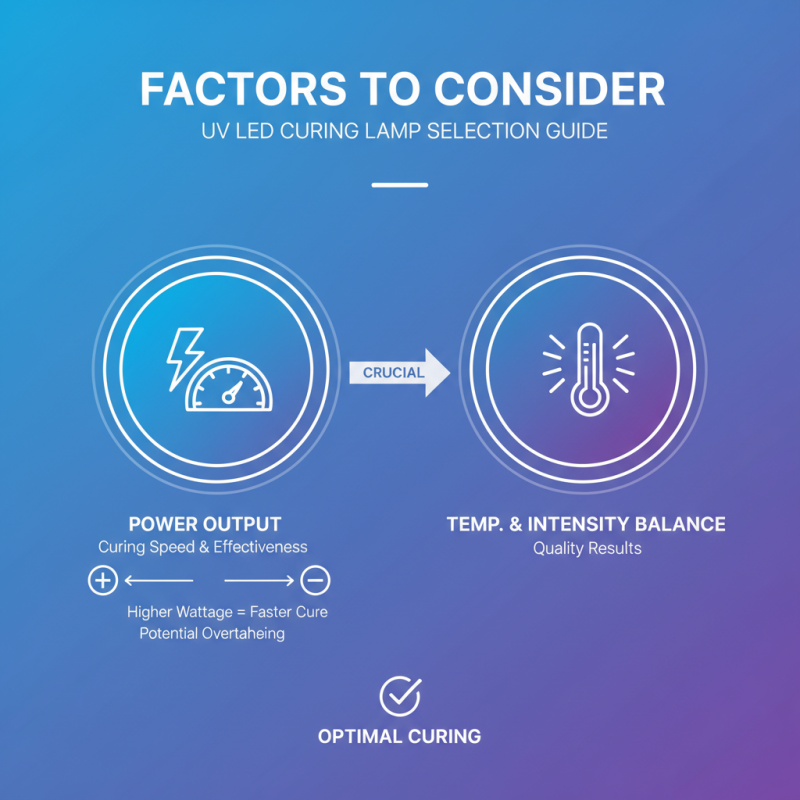
When selecting a UV LED curing lamp, several factors become crucial. The power output is essential, affecting curing speed and effectiveness. A lamp with a higher wattage typically cures materials faster. However, this may lead to overheating. Balancing intensity and temperature is vital for ensuring quality results.
The wavelength of the lamp is another key consideration. Different materials require specific wavelengths for optimal curing. For instance, certain inks and coatings are more responsive to particular UV ranges. Understanding the needs of your materials will guide you in making the right choice.
Moreover, consider the lamp's size and design. A compact model might be easier to handle but may lack the coverage needed for larger projects. Think about your workspace and how often you'll move the lamp. Durability plays a role too. A reliable lamp can withstand regular use without significant wear. A reflective coating may enhance efficiency, but its longevity should be evaluated.
Types of UV LED Curing Lamps and Their Applications
When selecting a UV LED curing lamp, understanding the different types available is essential. UV LED curing lamps generally fall into three categories: spot curing, flood curing, and conveyor curing.
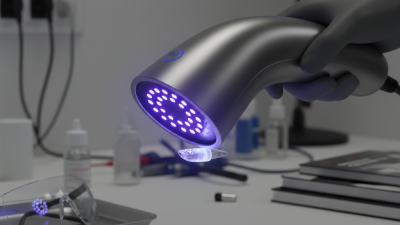
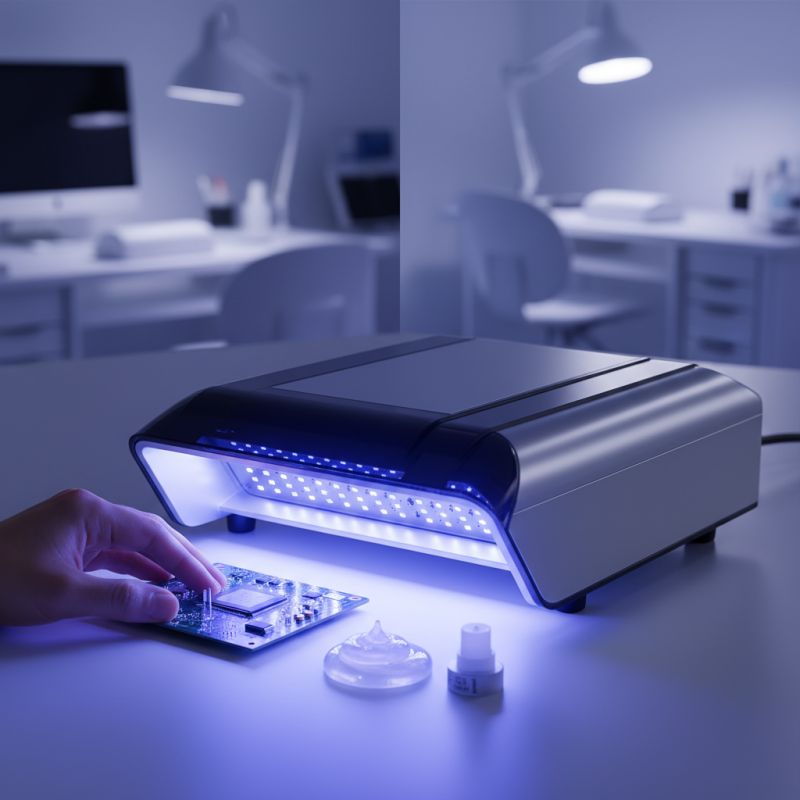
Spot curing lamps are ideal for pinpoint applications, where precision is key. They provide intense UV light to small areas, making them a favorite for detailed work.
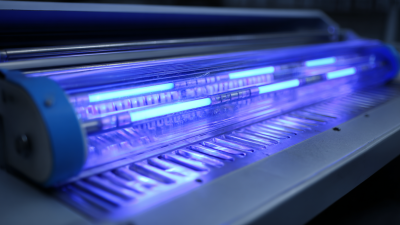
Flood curing lamps, on the other hand, spread light across a larger area. They are useful for coating surfaces or curing thick layers of material. This versatility makes them a popular choice in industries like automotive or woodworking.
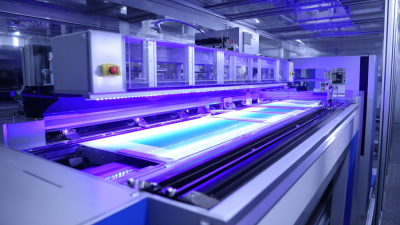
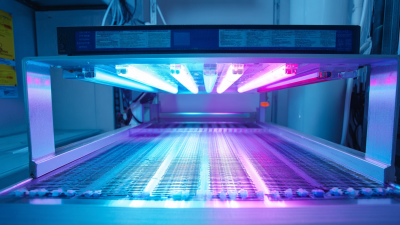
Conveyor curing lamps serve high-volume needs. They continuously move products through a UV curing chamber, enhancing efficiency while ensuring uniform curing across surfaces.
Tips: When choosing a UV lamp, consider the material you’ll be curing. Thicker materials may require more powerful lamps. Make sure to assess the lamp’s UV output and wavelength to match your specific applications. Not all lamps will suit every job. Testing a small area before full application can save frustration later on. Additionally, get familiar with safety precautions to maximize efficiency and protect your workspace.
Key Features to Evaluate in UV LED Curing Lamps
When selecting a UV LED curing lamp, key features are critical for your needs. One essential factor is the wavelength output. Most UV LED lamps operate between 365 nm to 405 nm. Different applications may require specific wavelengths for optimal curing. For example, adhesives might bond better with a 385 nm output, while inks often cure effectively at 395 nm.
Another important consideration is intensity. Higher intensity lamps can cure materials faster, which leads to increased productivity. Reports show that lamps with higher wattage can reduce curing times by up to 50%. This efficiency can significantly enhance workflow, especially in high-demand environments. Additionally, look at the lamp's energy consumption. LED lamps are more energy-efficient compared to traditional UV bulbs. They can save companies significant costs over time.
Durability is vital as well. UV LED lamps typically last longer than traditional options, often exceeding 25,000 hours. However, not all lamps are created equal. Some might experience a decline in output over time, affecting curing quality. Regular maintenance and checking output levels is essential. Using a lamp that meets your specific needs, while considering these factors can lead to a better curing experience.
Cost-Benefit Analysis of Different UV LED Curing Lamps
When considering different UV LED curing lamps, a cost-benefit analysis reveals crucial insights. A recent industry report highlighted that UV LED technology can reduce energy consumption by up to 85% compared to traditional curing systems. This dramatic decrease leads to lower operational costs over time. For businesses with high-volume production, these savings can translate into significant profit margins.
Maintenance costs are another factor to consider. Many UV LED lamps have longer lifespans, often exceeding 20,000 hours. This longevity reduces the frequency of replacements, cutting down on both time and costs. However, initial investments can be high. Some models run over $1,500, which might deter small businesses. Careful evaluation of usage needs becomes essential.
While the upfront costs may seem daunting, the return on investment is noteworthy. Businesses can expect shorter curing times, leading to increased throughput. However, customer feedback indicates varying satisfaction levels, with some users questioning the initial efficiency claims. Analyzing individual operational needs against reported data can assist in making informed choices. Balancing initial investment with long-term savings is vital for success.
Maintenance and Safety Tips for UV LED Curing Lamps
Maintaining UV LED curing lamps requires attention to detail. Regular cleaning of the lamp’s surface is essential. Use a soft cloth and a gentle cleaner to avoid scratches. Dust and debris can affect performance. Pay attention to the lens as well. Clean it carefully to maintain optimal light output.
Safety is another crucial aspect. Always wear appropriate eye protection when operating these lamps. UV light can be harmful to your eyes and skin. Ensure the work area is well-ventilated. Excessive exposure can lead to health risks. Conduct routine checks to identify any wear or damage to the lamp. Replace parts as needed to prevent malfunctions.
Additionally, be mindful of proper storage. Keep the lamp in a cool, dry place when not in use. This can prevent overheating and prolong its lifespan. User manuals often provide guidelines for maintenance practices. Following these can help ensure safety and efficiency. Regularly review best practices to improve your experience. Adjust your approach based on observations and feedback.