What is Led Uv Curing Light and How Does it Work?
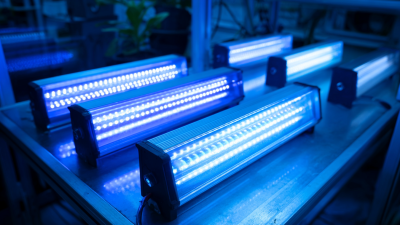
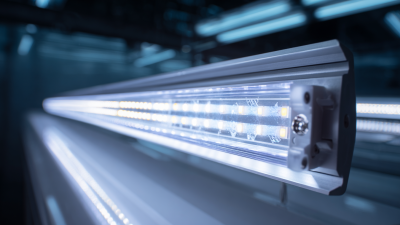
LED UV curing light represents a significant advancement in curing technologies. This type of light utilizes ultraviolet radiation to quickly cure or harden materials. It works by initiating a photochemical reaction, allowing various substances, especially inks and coatings, to solidify in record time.
Professionals in the printing and coating industries frequently utilize LED UV curing lights. Their efficiency and rapid curing times contribute significantly to productivity. However, many users need a clear understanding of how these lights operate and their benefits. Some may even struggle with selecting the right equipment for their specific applications.
Exploring this technology reveals both advantages and challenges. While LED UV curing lights are energy-efficient, users need to address concerns about proper usage and safety. It is crucial to understand the science behind LED UV curing lights to maximize their potential benefits while minimizing risks.
Definition of LED UV Curing Light and Its Purpose
LED UV curing light is a technology used in various industries for polymerization. This process involves using ultraviolet light to cure or dry materials like inks, coatings, and adhesives. The purpose of LED UV curing is to create durable and high-quality finishes quickly. It is widely adopted in printing, manufacturing, and even in dental applications.
The efficiency of LED UV curing systems offers significant advantages. According to a recent industry report, these systems can reduce curing times by up to 50% compared to traditional methods. This speed increase leads to higher productivity and faster turnaround for businesses. Furthermore, LED curing lights consume less energy, resulting in lower operational costs and a smaller carbon footprint.
Despite these benefits, there are nuances to consider. Not all materials respond uniformly to LED UV curing. Some formulations may require specific wavelengths or intensities for optimal results. Understanding these variations is crucial for achieving the desired finish and ensuring product integrity. Manufacturers and users must stay informed and conduct thorough testing to avoid issues.
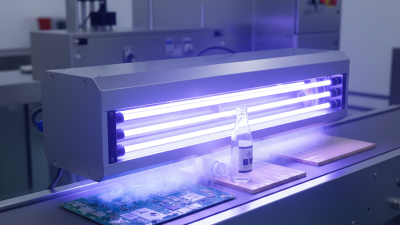
LED UV Curing Light Usage in Various Industries
History and Development of UV Curing Technology
The history of UV curing technology dates back to the mid-20th century. Initially used in printing, the technology gained traction for its efficiency and speed. By the 1970s, ultraviolet light was employed to cure inks, coatings, and adhesives. This marked the start of a significant shift in manufacturing. According to a report from Smithers Pira, the global UV curing market is projected to reach $4.9 billion by 2024. This growth reflects the industry's increasing reliance on UV curing for various applications.
Fast forward to the present, and LED UV curing lights are a significant advancement. They offer a lower energy consumption and longer lifespan compared to traditional mercury lamps. LED technology is known for its quicker curing times and consistent output. A 2021 market analysis highlighted that LED curing represents over 35% of the total UV curing market, emphasizing its rising significance. However, challenges persist, such as the limited range of materials compatible with LED curing compared to traditional methods.
Despite these advancements, the industry is still balancing innovation with practicality. There are concerns regarding the cost of transitioning to LED technology. Some companies remain hesitant, given the initial investment required. Nevertheless, the overall trend suggests that as more industries adopt UV curing, the technology will continue to evolve, addressing these challenges and improving its efficiency.
Mechanism of Action: How LED UV Curing Light Works
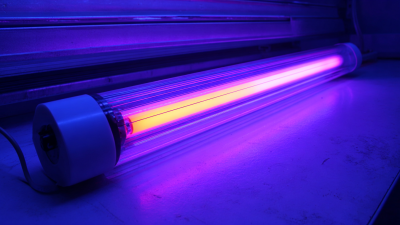
LED UV curing lights are essential in modern industries such as printing, coatings, and adhesives. Their operation relies on a straightforward mechanism: these lights emit ultraviolet light that triggers photochemical reactions. When exposed to UV light, certain photoinitiators in the material absorb energy and transform into reactive species. These species initiate a polymerization process, converting liquid resins into solid forms almost instantly. This allows for rapid curing, improving production efficiency significantly.
According to a report from the Coatings Industry, using LED UV curing technology can enhance energy savings by up to 80%. It also reduces solvent emissions, benefiting both production quality and environmental sustainability. While this technology is advantageous, it also presents challenges. Not all materials cure efficiently under LED UV light. Some formulations may require reformulation to achieve optimum curing results.
Tips: Always test different materials with your curing light. Small variations in wavelengths can alter curing rates. Seek local regulations regarding UV exposure for worker safety. Regular maintenance of curing equipment ensures consistent performance and reliable output.
Applications of LED UV Curing Light in Various Industries
LED UV curing lights are revolutionizing many industries with their fast and efficient curing process. These lights emit ultraviolet light that activates photoinitiators in coatings, inks, and adhesives. As a result, materials cure quickly and become hard, durable surfaces. This technology is widely used in printing, automotive, and electronics industries, enhancing productivity and quality.
In the printing sector, LED UV curing provides better adhesion and high gloss finishes. It significantly reduces drying times, allowing for quicker production cycles. Similarly, in automotive applications, these lights cure coatings and finishes rapidly, improving throughput in manufacturing. In the electronics industry, LED UV curing effectively bonds components while maintaining high precision, essential for modern gadgets.
It's essential to choose the right curing light for specific applications. Consider the power output and wavelength to ensure optimal curing. Always test materials before large-scale implementation. This can help refine processes and avoid costly errors. Experimenting with different settings can yield surprising results. Adjusting light intensity may improve bonding strength or reduce curing time. Keeping an eye on these factors is crucial for achieving the best outcome.
Benefits and Limitations of Using LED UV Curing Light
LED UV curing lights are becoming increasingly popular in various industries, particularly in coatings and printing. These lights offer rapid curing of materials using ultraviolet light, which initiates chemical reactions in certain resin formulations. This technology enhances productivity by significantly reducing drying times. According to a report by the Technical Association of the Graphic Arts, LED UV systems can cure inks and coatings in as little as a few seconds, contrasting with traditional systems that may require minutes.
However, using LED UV curing lights comes with both benefits and limitations. On one hand, they are energy-efficient and have a longer lifespan compared to traditional lamps, which can lead to cost savings over time. The use of LED UV lights also results in less heat generation, making them safer and more practical for sensitive materials. On the other hand, the initial setup costs can be high, and compatibility with certain inks and coatings may be limited. A survey from the Coatings Research Group noted that 30% of users faced issues with material compatibility when transitioning to LED technology.
The potential environmental benefits are significant. LED UV curing can reduce volatile organic compound emissions, contributing to greener practices in manufacturing. Despite these advantages, comprehensive understanding and research are still necessary to ensure optimal utilization. Some users report a learning curve when adjusting to different curing speeds and material behaviors. This highlights the importance of ongoing education and adaptation in the adoption of LED UV curing technologies.
What is Led Uv Curing Light and How Does it Work? - Benefits and Limitations of Using LED UV Curing Light
| Feature |
Description |
| Type |
LED UV Curing Light |
| Working Principle |
Uses UV light to cure or harden materials such as inks, adhesives, and coatings. |
| Benefits |
Fast curing time, energy-efficient, long lifespan of LEDs, low heat production. |
| Limitations |
Higher initial cost, limited depth of cure, potential safety concerns from UV exposure. |
| Typical Applications |
Printing, automotive, electronics, dental, and nail industries. |
| Curing Speed |
Curing typically occurs in seconds to a few minutes depending on material and thickness. |