Top 10 UV LED Curing Equipment for Efficient Processing?
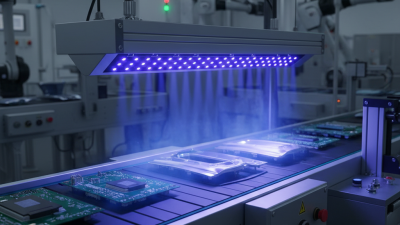
In the world of modern manufacturing, the role of UV LED curing equipment has become increasingly vital. This technology provides rapid and efficient processing, catering to various industries such as printing, automotive, and electronics. Its benefits include energy efficiency, reduced emissions, and compact designs, making it an attractive choice for businesses.
However, with many products available, identifying the best UV LED curing equipment can be challenging. Each option presents unique features and limitations that deserve consideration. Selecting the right equipment can impact production quality and speed, which is crucial for competitive advantage.
Understanding the key attributes of effective UV LED curing equipment is essential. This includes factors like wavelength compatibility, curing speed, and energy consumption. Insights from industry experts can help navigate the complexities and ultimately lead to better investment decisions. This guide aims to highlight the top 10 UV LED curing equipment options, combining expert opinions and real-world applications for informed choices.
Overview of UV LED Curing Technology and Its Applications
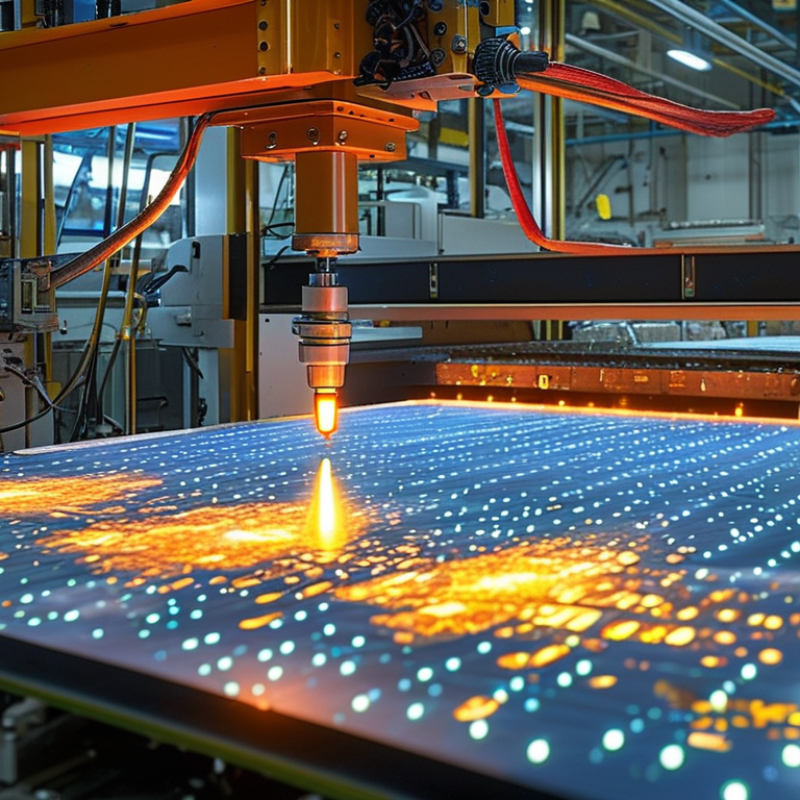
UV LED curing technology has rapidly transformed the industrial landscape. This method uses ultraviolet light to cure and harden materials. It provides faster processing times and higher energy efficiency compared to traditional methods. According to a recent report by the UV & EB Curing Equipment Market, the demand for UV LED technology is expected to grow at a CAGR of over 14% from 2023 to 2030. This growth reflects the industry's shift towards sustainable and efficient solutions.
Applications of UV LED curing are extensive. It is widely used in coatings, inks, and adhesives. In the packaging industry, it hardens inks and coatings quickly, improving productivity. A significant advantage is the reduction in volatile organic compounds (VOCs). These compounds are harmful to the environment and human health. However, some users report challenges with adhesion in specific situations. This inconsistency raises questions about long-term reliability in various environments.
Implementing UV LED curing technology can lead to substantial cost savings. For example, printing companies note a decrease in energy consumption by up to 50%. However, despite the benefits, some industries remain hesitant due to initial equipment costs. The balance between upfront investment and long-term gains is critical. Companies must assess if the technology aligns with their operational goals, particularly regarding product quality and sustainability.
Key Features to Consider When Choosing UV LED Curing Equipment
When selecting UV LED curing equipment, several key features should be at the forefront of your decision-making process. First, consider the wavelength of the UV light. Different materials require different wavelengths for optimal curing. Equipment that offers adjustable wavelengths can provide versatility across various applications.
Another crucial aspect is the energy output. Higher energy levels enhance the curing process, reducing cycle times significantly. However, higher rates can lead to increased equipment wear and energy costs. Striking a balance between efficiency and longevity is essential.
The build quality of the equipment also impacts performance and reliability. Sturdy construction ensures durability and consistent results, while frequent malfunctions can disrupt production.
User-friendly controls are vital for seamless operation. Complicated interfaces can lead to errors, especially in fast-paced environments. The availability of technical support is another factor. Reliable support can mitigate downtime, allowing your operations to run smoothly. Evaluating these aspects thoroughly will enhance your overall production efficiency.
Top 10 UV LED Curing Equipment for Diverse Industrial Needs
When considering UV LED curing equipment, it's essential to match the technology with specific industrial needs. Various industries use UV curing for its quick processing times and energy efficiency. Applications range from coatings to adhesives. Efficient processing not only saves time but also enhances product durability.
Different setups will have distinct requirements. For example, automotive manufacturers may demand robust systems for surface curing, while the electronics sector needs precise, low-heat solutions for sensitive components. It's crucial to evaluate space constraints, operation speed, and material compatibility when choosing equipment.
However, not all equipment is designed equally. Some may offer faster curing but produce inconsistent results. Others might excel in quality but lack in efficiency. These trade-offs are important to reflect on. Investing in the right UV LED curing technology can ultimately influence product quality and operational costs significantly.
Top 10 UV LED Curing Equipment for Efficient Processing
| Model |
Power (W) |
Curing Width (mm) |
Cure Speed (m/min) |
Applications |
| Model A |
120 |
500 |
15 |
Packaging, Electronics |
| Model B |
200 |
600 |
20 |
Print, Textile |
| Model C |
150 |
700 |
10 |
Wood, Automotive |
| Model D |
180 |
800 |
25 |
Automotive, Glass |
| Model E |
220 |
900 |
30 |
Electronics, Medical |
| Model F |
250 |
1000 |
35 |
Cosmetics, Jewelry |
| Model G |
300 |
1100 |
40 |
Aerospace, Defense |
| Model H |
270 |
1200 |
45 |
Food Packaging, Electronics |
| Model I |
310 |
1300 |
50 |
Textile, Automotive |
| Model J |
290 |
1400 |
55 |
Medical, Aerospace |
Comparative Analysis of Performance and Efficiency of Each Model
When evaluating UV LED curing equipment, performance and efficiency are crucial factors. Each model has unique features that can impact output quality and processing speed. A well-designed system typically provides consistent energy output. This leads to a uniform curing process. However, uneven power distribution may occur in some models, which can affect the final product.
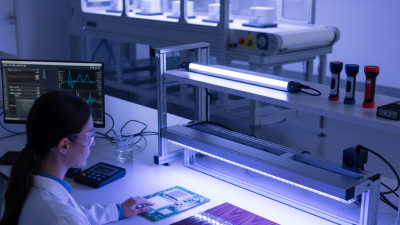
Laboratory testing shows varying results in cure times. Some units cure materials faster than others. User feedback often highlights the need for flexibility and adaptability. For example, while one model excels at curing thin films, it may struggle with thicker substrates. Consultation with industry experts can help identify suitable options based on specific needs.
Environmental conditions also play a role in performance. Factors like ambient temperature and humidity can influence the curing process. Regular maintenance is essential for keeping the equipment running efficiently. Yet, some users neglect this, resulting in decreased efficiency over time. Understanding these nuances helps in choosing the right equipment for optimized performance.
Maintenance and Best Practices for UV LED Curing Equipment
Maintaining UV LED curing equipment is essential for optimal performance and longevity. Regular cleaning of the lamps and replacement of filters can prevent build-up that reduces efficiency. Statistics show that proper maintenance can enhance the lifespan of curing systems by up to 40%. Many operators overlook simple steps, which can lead to costly downtimes.
Tips: Schedule monthly inspections. Pay attention to any unusual noises or flickering. These are often early signs of issues.
Optimizing energy usage is critical. UV LED lamps operate efficiently, but the wrong settings can waste power. Reports indicate that incorrect curing times may increase energy consumption by 25%. For precise outcomes, calibrate your machine regularly. Adjusting the intensity and exposure time can help in achieving consistent results.
Tips: Keep a log of your machine's settings and outputs. Analyze performance regularly. This can help in early identification of patterns that suggest system inefficiencies.