Top Uv Led Curing Lamp Options for Best Results?
The demand for UV LED curing lamps has surged in recent years, driven by the need for efficient and high-quality curing solutions. According to a report by Smithers Pira, the global UV curing market is expected to reach $3 billion by 2025, highlighting the increasing reliance on this technology across various industries. UV LED curing lamps offer several advantages, including faster curing times, reduced energy consumption, and lower environmental impact compared to traditional curing methods.
Many professionals recognize that the effectiveness of UV LED curing lamps largely depends on their specific applications. Industries such as printing, coating, and adhesives benefit from these advanced lamps. However, not all products are created equal. With a wide range of options available, users must carefully assess their choices to achieve optimal results. Some models may underperform, resulting in incomplete curing or inconsistent quality. This underscores the importance of selecting the right UV LED curing lamp for particular needs, ensuring reliability and professional standards are met.
When choosing a UV LED curing lamp, it’s essential to consider factors like wavelength, power output, and compatibility with materials. Even minor differences can lead to significant variations in curing efficacy. While advancements in technology have improved many products, there remains a learning curve for users. Many seek guidance to make the best selection, reflecting a genuine commitment to quality in their work.
Top UV LED Curing Lamp Options for Best Results
When selecting a UV LED curing lamp, consider key features that enhance its performance. The lamp's wavelength significantly impacts how well it cures different materials. Most effective lamps operate in the range of 365-405 nm. This range suits adhesives, coatings, and inks. Pay attention to intensity as well; a higher intensity often means faster curing times. However, it can also increase the risks of overheating and damaging sensitive substrates.
The design matters too. A lamp with a wide beam angle covers larger areas more evenly. This is critical for achieving consistent results. User-friendliness is another aspect; intuitive controls and a clear display contribute to a smoother workflow. Regular maintenance of the lamp is essential. Dust and debris can block the UV light and reduce efficacy. Inadequate upkeep may lead to inconsistent curing and increased costs.
Some users overlook the importance of safety features. Overexposure to UV light can be harmful. Good lamps should include protective measures, like timers and shields. Consider or research best practices for operation and safety. Reflecting on your experience with UV curing can provide insights on what you truly need. Each user's requirements may differ greatly. Thus, what works perfectly for one might not for another.
Top UV LED Curing Lamp Options for Best Results
Understanding the Benefits of UV LED Curing Lamps
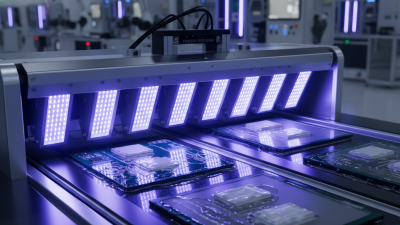
UV LED curing lamps are gaining popularity in various industries due to their numerous advantages. They are known for their quick curing times, making them perfect for production environments. Unlike traditional curing methods, UV LED lamps emit a specific wavelength that ensures fast and efficient polymerization. This results in increased productivity, allowing businesses to reduce downtime and maximize output.
Another notable benefit of UV LED curing lamps is their energy efficiency. They consume less power than conventional UV lamps, leading to lower electricity costs. This is especially important in high-volume applications. Additionally, UV LED technology produces less heat, which reduces the risk of damage to heat-sensitive materials. This aspect is crucial for preserving the integrity of products during the curing process.
However, there are challenges that users may face. Not all materials are suitable for UV LED curing. Some resins or inks may not cure effectively under UV LED light. It’s important to conduct tests before fully committing to this technology. Companies must also ensure proper maintenance of their curing equipment to maximize performance. Understanding these nuances is key to harnessing the full potential of UV LED curing lamps.
Key Features to Consider When Choosing a Curing Lamp
When selecting a UV LED curing lamp, several key features are essential. Consider the lamp’s wavelength output. Different materials cure at various wavelengths, which impacts the quality and speed of the curing process. A lamp with adjustable settings allows for versatility across different projects.
Power output is another critical factor. Higher wattage often means faster curing times, but it can also generate more heat. Balance is key. Look for lamps that distribute heat evenly to avoid damaging the materials. Think about portability too. A lightweight, compact design makes it easier to use in diverse settings.
Tips: For better results, test the lamp on a small area first. This helps avoid mistakes and ensures compatibility without wasting materials. Additionally, regular maintenance is crucial. Dust and debris can affect the lamp’s performance. Clean the lamp’s surface often to maintain optimal function. Don't overlook user reviews. They can provide valuable insights about durability and effectiveness.
Comparative Analysis of Popular UV LED Curing Lamp Brands
When considering the best UV LED curing lamps, a comparative analysis of popular brands reveals significant differences. Many users report varying drying times and efficiency levels. This inconsistency can lead to frustration, especially in professional settings where reliability is crucial.
One brand emphasizes a broader spectrum of wavelengths, increasing versatility for different materials. However, some users find that the lamp does not evenly distribute light, leading to uneven curing. Another option focuses on compact design and portability. While it’s convenient, the limited power output may result in longer curing processes. This reflects the ongoing challenge in balancing efficiency and performance.
User experiences highlight the importance of understanding individual needs. Some professionals prefer high-intensity options for faster results, while others prioritize smaller, quieter models. The choice often boils down to specific applications, indicating that what works for one user might not suit another. Continuous experimentation and feedback are vital for optimizing choices in UV LED technology.
Tips for Optimal Use of UV LED Curing Lamps
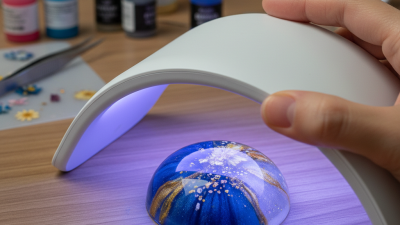
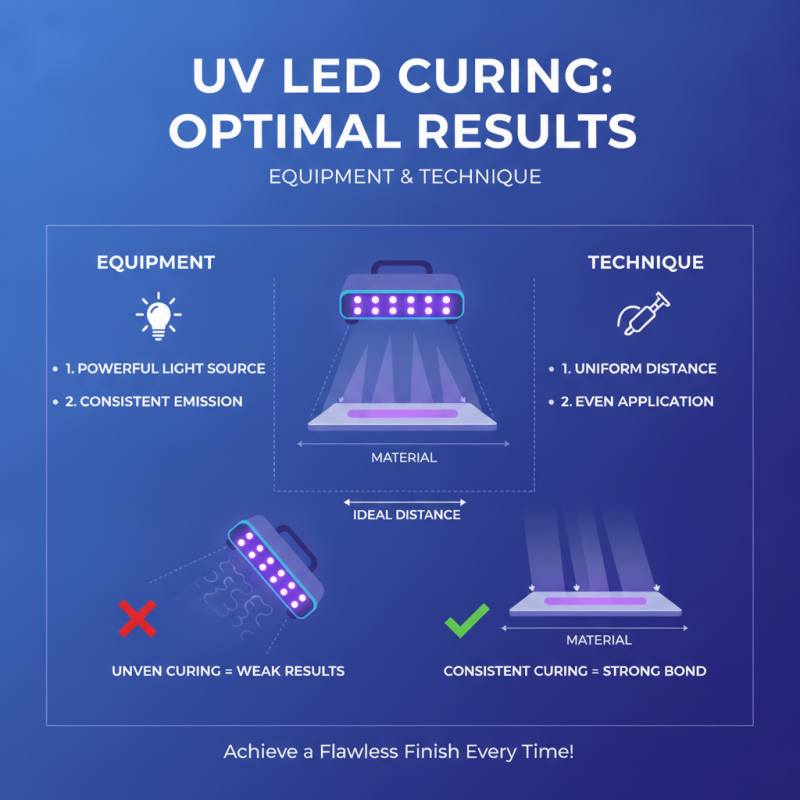
When using UV LED curing lamps, achieving optimal results hinges on both the equipment and technique. Effective curing depends not just on the light source but also on precise application methods. One key aspect is to maintain the correct distance between the lamp and the material. Ideally, this distance should be consistent. Variations can lead to uneven curing, which compromises the integrity of your work.
Another important tip is to monitor the curing time carefully. Each material might require different durations for complete curing. Overexposure can lead to discoloration, while underexposure often results in tacky surfaces. Experimenting with small samples can help in establishing the optimal curing time, allowing for adjustments based on specific conditions.
Ensure that the work area is clean to prevent dust from interfering with the curing process. Even small particles can cause imperfections in the final outcome. Regular maintenance of the lamp is also crucial; clean the lamp’s surface to maximize its efficiency. Avoiding these common pitfalls can lead to more reliable results and greater satisfaction with your projects.