How to Use a UV Radiation Machine Safely and Effectively?
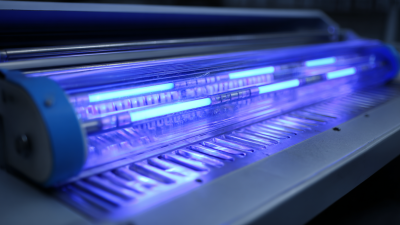
Using a UV radiation machine can be both beneficial and risky. Many people utilize these machines for sterilization, skin treatment, and other purposes. However, proper usage is essential to avoid harmful effects. This machine emits ultraviolet light, which can be dangerous in excessive exposure.
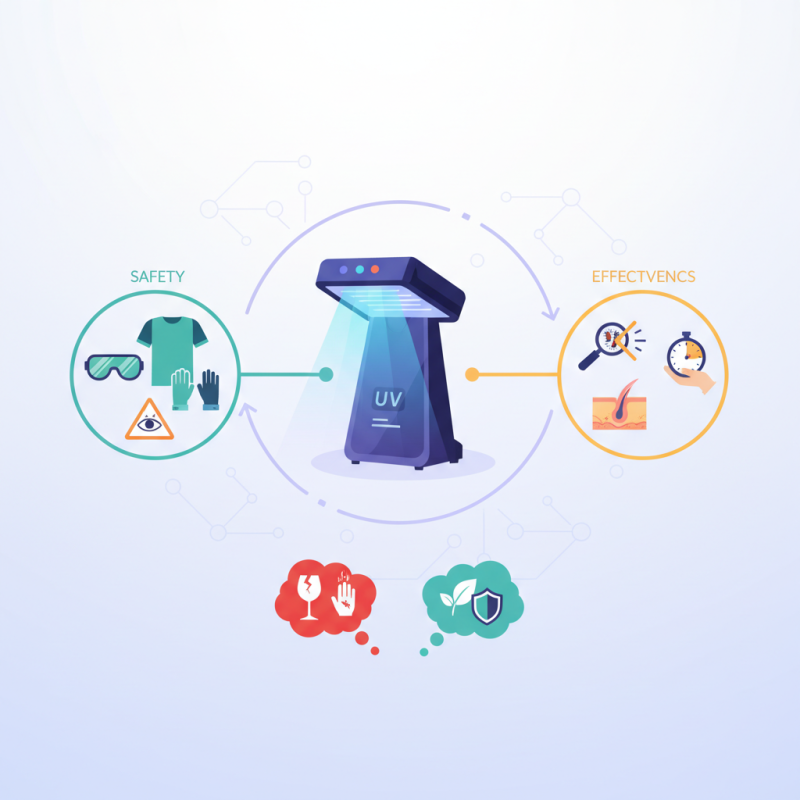
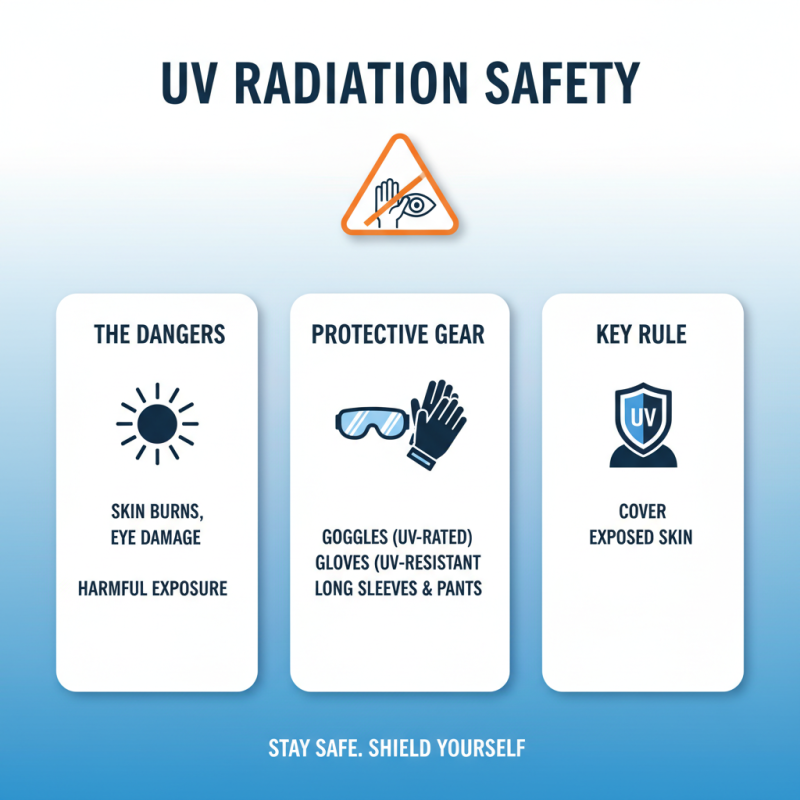
When operating a UV radiation machine, understanding its function is crucial. People often underestimate the safety precautions needed. For example, wearing protective eyewear is vital. Skin protection is equally important. Neglecting these simple measures can lead to serious consequences, like skin burns or eye damage.
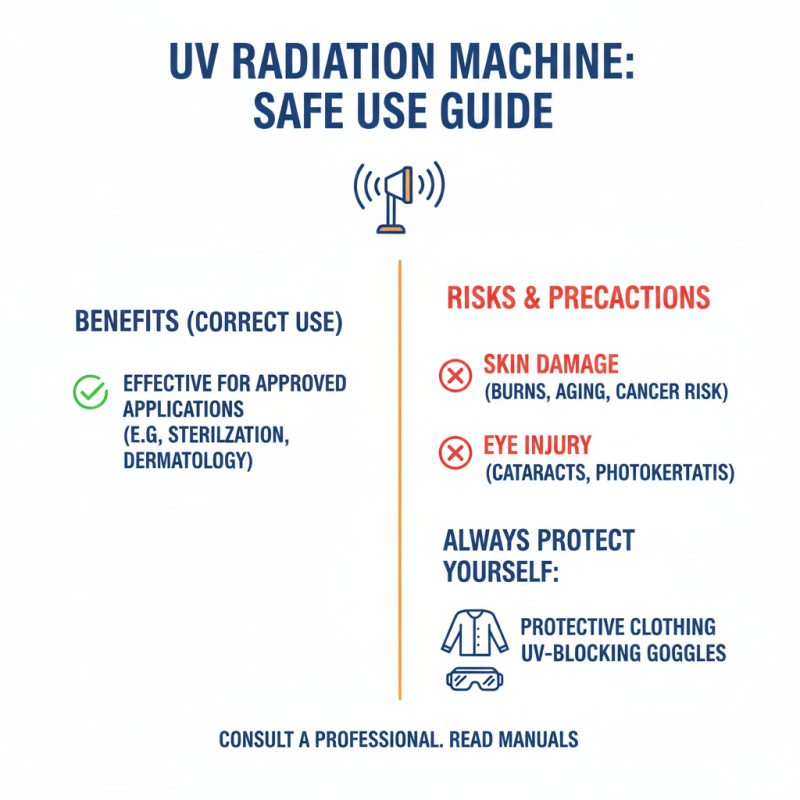
Despite these risks, the advantages of a UV radiation machine can be significant. It can effectively kill germs and viruses. It can also help in treating skin conditions when used correctly. A proper understanding of how to use it safely can offset potential dangers. But this requires diligence and reflection on usage habits.
Understanding UV Radiation: Types and Applications
Ultraviolet (UV) radiation comes in three types: UVA, UVB, and UVC. Each type has distinct applications and effects. UVA rays penetrate deep into the skin, causing aging and wrinkles. They are commonly used in tanning beds. UVB rays are responsible for sunburn and play a crucial role in vitamin D production. They are often utilized in phototherapy for skin conditions. UVC rays are the most harmful but are blocked by the Earth’s ozone layer. They are mainly used for germicidal purposes in various settings.
Understanding these types helps users make informed decisions about UV radiation machines. Safety is vital when using these devices. Overexposure can lead to skin damage or eye injury. Many users may underestimate the risks involved. Proper protective gear, such as goggles and clothing, should always be worn. Users should also be aware of their skin type and limit exposure accordingly. It’s essential to follow guidelines and manufacturer instructions. Reflecting on previous experiences can be helpful. Did you notice any skin changes after using a UV device? Adjusting your usage approach can improve safety and effectiveness.
How to Use a UV Radiation Machine Safely and Effectively?
| Type of UV Radiation |
Wavelength (nm) |
Applications |
Safety Precautions |
| UVA |
320 - 400 |
Tanning, phototherapy |
Wear UV-blocking goggles; limit exposure time |
| UVB |
290 - 320 |
Vitamin D synthesis, skin treatments |
Use sunscreen; protective clothing recommended |
| UVC |
100 - 290 |
Sterilization, water purification |
Avoid skin exposure; use protective gear |
| Far-UVC |
200 - 230 |
Disinfection of air and surfaces |
Minimal exposure; consider human safety |
Essential Safety Precautions When Using UV Radiation Machines
When using UV radiation machines, safety is an essential consideration. Direct exposure can be harmful, leading to skin burns or eye injuries. It’s vital to wear appropriate protective gear. Goggles and gloves are must-haves. Cover any exposed skin as much as possible.
Before operating the machine, inspect it for any signs of damage. A damaged machine can pose serious risks. Ensure the area is well-ventilated. This helps to reduce the buildup of harmful ozone. Always work in a controlled environment and keep bystanders away.
During the operation, monitor the duration closely. Prolonged exposure can lead to accidents, even if you feel safe. Adjust the settings according to the manufacturer's guidelines. If unsure, take time to re-read the instructions. Reflect on previous experiences for areas of improvement. Using a UV machine should be a careful, attentive process.
Step-by-Step Guide to Operating a UV Radiation Machine
Operating a UV radiation machine requires careful attention and a clear understanding of safety measures. Start by donning appropriate protective gear. Wear UV-blocking goggles and gloves to shield your skin and eyes. This is vital, as direct exposure can cause serious harm. Ensure the workspace is well-ventilated to prevent any buildup of fumes. Taking these precautions creates a safer environment for use.
Next, familiarize yourself with the machine's features. Check for settings related to intensity and duration. Experiment gently, starting with low settings before increasing intensity. Monitor the effects closely. Each environment varies, and it may take time to achieve desired outcomes. Many users rush this process, only to realize they may need to start over.
Maintain a safe distance from the UV source. Standing too close can lead to overexposure. Regularly inspect the equipment for any damage or wear. Consider collecting feedback on your use of the machine. Reflect on what works and what doesn’t. Learning from these experiences can enhance your skill and effectiveness in operating the UV radiation machine.
Proper Maintenance and Care for UV Radiation Equipment
Proper maintenance and care for UV radiation equipment is crucial. Regular cleaning is essential. Dust and debris can block UV light. Use a soft cloth to wipe surfaces.
Inspect bulbs for any signs of wear. Replacing them timely ensures effective performance. Keep an eye out for flickering lights. This can indicate a problem.
Storage is important too. Store your UV equipment in a cool, dry place. Avoid areas with high humidity. Exposure to moisture can damage the machine. Create a maintenance schedule. Regular check-ups can prevent unexpected issues. Sometimes, we neglect such tasks until it's too late.
In addition, ensure proper training for anyone using the equipment. Lack of knowledge can lead to dangerous situations. Review safety manuals frequently. Encourage open discussions about risks involved. Mistakes happen, and it’s vital to learn from them.
Emphasizing safety and care will extend the equipment's lifespan and ensure effective use.