What is UV LED Curing Light and How Does it Work?
The UV LED Curing Light technology is transforming the manufacturing landscape across various industries, particularly in adhesives, coatings, and printing. According to a report by the Global UV LED Curing Market, the industry is expected to grow steadily, with a compound annual growth rate (CAGR) of 20% over the next five years. This rapid growth reflects a shift towards more sustainable practices, as UV LED curing technology uses less energy and emits fewer volatile organic compounds (VOCs).
Dr. Emily Chen, a noted expert in UV technologies, emphasizes the significance of this innovation: "UV LED Curing Light not only enhances efficiency but also reduces the environmental footprint of production." Companies are now adopting these lights to improve curing processes, which leads to faster production times and less waste. However, challenges remain. The initial investment for UV LED systems can be high, and there is ongoing debate about long-term reliability compared to traditional curing methods.
As industries adapt to this technology, a deeper understanding of its mechanics and applications becomes essential. The potential of UV LED Curing Light is vast, yet industries must continuously evaluate and address its implementation challenges to fully benefit from its advantages.
What is UV LED Curing Light?
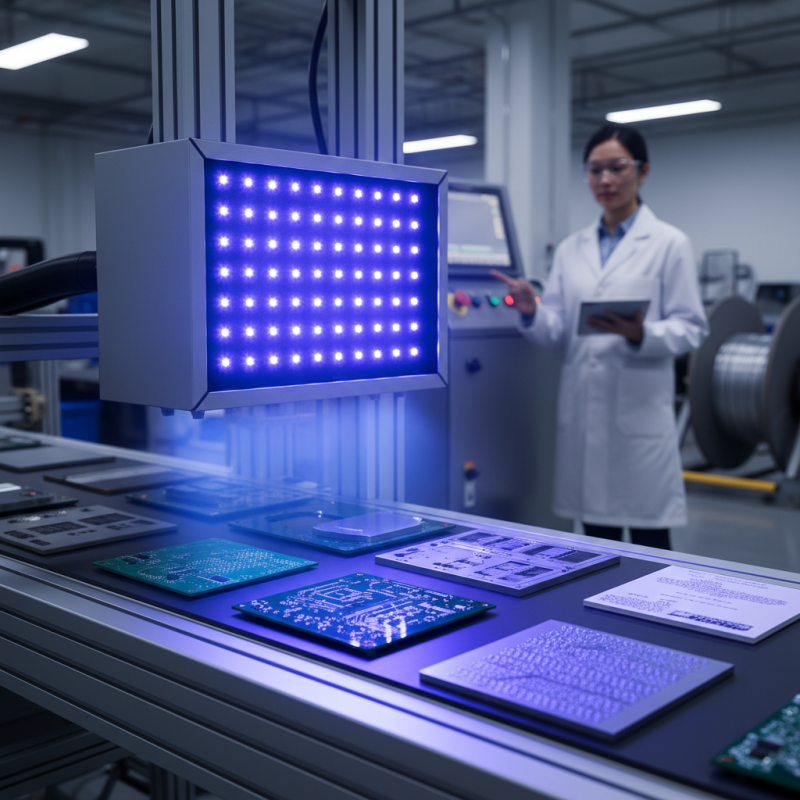
UV LED curing lights are innovative tools widely used in various industries, from dentistry to printing. They emit ultraviolet light, which initiates a photochemical reaction that hardens resins or coatings. This process is quick and efficient, reducing the time needed for many applications.
When a UV LED curing light is activated, it projects a specific wavelength of UV light. This light interacts with photoinitiators in the material, causing them to generate free radicals. These free radicals promote rapid polymerization, resulting in a solid or cured surface. It's remarkable how instantly things can change, but not always perfect. Some materials may not cure evenly, leaving spots that require extra attention.
As the technology advances, the use of UV LED curing lights continues to grow. However, the application still requires skill and practice. It’s essential to understand the materials involved and their response to UV light. Sometimes, experimenting with different distances and exposure times is necessary. Even small adjustments can lead to better results, making it a learning process.
Principles of UV LED Technology in Curing
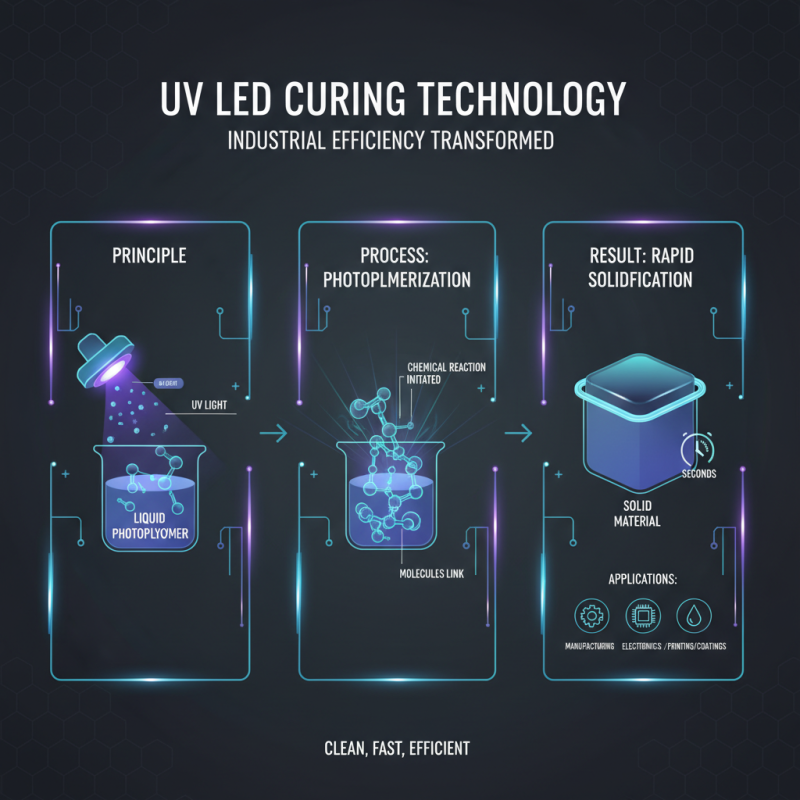
UV LED curing technology has transformed industrial processes, offering efficient solutions in various fields. The principle behind UV LED curing hinges on photopolymerization. This process entails the conversion of liquid photopolymers into solid materials using ultraviolet light. When UV light shines on the photopolymer, it initiates a chemical reaction. The result? Rapid solidification of the material.
Statistics illustrate the impact of this technology. Reports indicate that UV LED lights can reduce curing times by up to 80%. This efficiency leads to less energy consumption and lowers costs. Despite its advantages, some challenges are present. Not all materials are compatible with UV curing, leading to occasional product failures. Additionally, maintaining proper safety measures is crucial. Prolonged exposure to UV light can pose health risks. Thus, workers should adopt protective equipment when using these devices.
The ongoing evolution of UV LED curing suggests continual improvements. Emerging studies indicate potential expansions into new materials and applications. Innovation is vital, yet the industry must acknowledge existing limitations. Balancing efficiency with safety needs careful consideration to optimize how UV LED curing technology is applied.
Applications of UV LED Curing in Various Industries
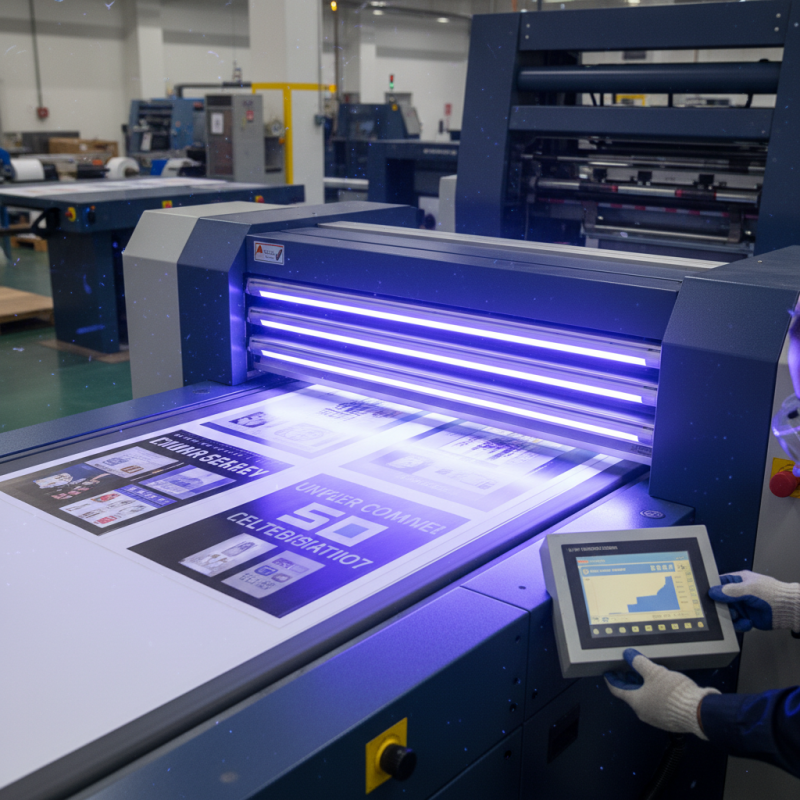
UV LED curing lights have found a wide range of applications across various industries. In the printing sector, for instance, these lights are used to dry inks quickly. This fast curing process enhances productivity, but it can lead to uneven finishes if not managed properly. Users must calibrate their equipment carefully to avoid issues like smudging or fading.
In the automotive industry, UV LED curing is employed for coating and bonding materials. It provides strong adhesion and durable finishes. However, the process demands precision. Overexposure to UV light can cause unsatisfactory results, requiring adjustments in settings. Even the most experienced professionals face challenges in perfecting the balance between speed and quality.
The healthcare field also benefits from UV LED technology. It is used for sterilizing medical tools and surfaces. While effective, there are risks involved. Improper handling can result in harm to users or patients. Education and training are essential to ensure safety. These diverse applications highlight the versatility of UV LED curing but remind us of the need for attention to detail in every step.
Advantages of Using UV LED Curing Over Traditional Methods
UV LED curing lights are transforming the way industries approach the curing process. One major advantage of using UV LED curing over traditional methods is its energy efficiency. UV LED lights consume less power, leading to lower energy costs. This efficiency is crucial for businesses looking to reduce their carbon footprint.
Another advantage is the speed of the curing process. UV LED curing can achieve full curing in seconds, while traditional methods may take much longer. This rapid curing allows for higher productivity. However, not all materials are compatible with UV LED technology. Experimentation is necessary to determine suitability.
Furthermore, UV LED curing generates less heat compared to traditional systems. This minimizes the risk of damaging sensitive materials. Despite these benefits, some users report challenges in achieving optimal adhesion with certain products. It's essential to test various settings and materials to find the best combination. As industries move forward, ongoing research will undoubtedly highlight more benefits and address current limitations.
How to Choose the Right UV LED Curing Light for Your Needs
Choosing the right UV LED curing light can make a significant difference in your projects. Different applications may require varying intensities and wavelengths. It's essential to consider what materials you will be working with. For example, certain resins cure better with specific wavelengths.
Evaluate the size and portability of the curing light. Some models are compact and easy to transport, making them ideal for mobile use. Others might be larger but offer higher power. Think about your workspace too; will the light fit comfortably?
It’s also crucial to assess the power output. A higher power means faster curing times. However, it’s not always better. Increased power can sometimes lead to overheating. Finding a balance is key. Consider your specific needs and potential limitations. Doing so will help you select the best UV LED curing light for your tasks.
What is UV LED Curing Light and How Does it Work? - How to Choose the Right UV LED Curing Light for Your Needs
| Feature |
Description |
Typical Application |
Wavelength Range (nm) |
Curing Time (seconds) |
| Curing Speed |
Quick and efficient curing of coatings and adhesives |
Coatings, adhesives |
365-405 |
10-30 |
| Energy Efficiency |
Lower power consumption compared to traditional UV lamps |
Industrial manufacturing |
395 |
5-15 |
| Lamp Lifespan |
Much longer lifespan than traditional UV lamps |
Dental, nail salons |
365-395 |
20-40 |
| Heat Generation |
Low heat output, reducing thermal damage |
Electronics, plastics |
300-400 |
10-25 |
| Portability |
Lightweight and compact designs available |
Field repairs, home use |
365 |
15-30 |