10 Best UV LED Light Lamps for Global Buyers
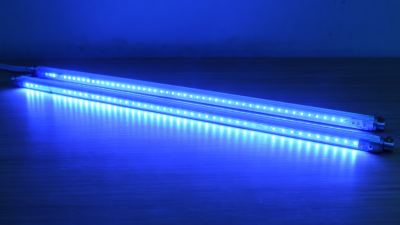
Choosing the right Uv Led Light Lamp requires more than comparing brightness, price, or attractive product photos. Global buyers must examine wavelength accuracy, optical output, heat control, service life, electrical safety, and documented testing. UV-A lamps often support curing and inspection, while UV-C products require stricter exposure controls and responsible handling. The application decides the specification.
Industry data shows why careful selection matters. Yole Group’s UV LED technology reports identify efficiency, thermal management, and manufacturing scale as continuing market challenges. Grand View Research also describes growing demand across curing, sterilization, sensing, and medical-related applications. However, market forecasts differ. Some estimates combine UV-A, UV-B, and UV-C products, which can make direct comparisons misleading. Numbers need context.
Oliver Lawal, CEO of AquiSense Technologies, has described UV-C LED as “an emerging technology.” That short observation remains important. Newer lamps may offer compact designs, instant operation, and reduced mercury-related concerns, but performance can vary sharply between models. A lamp that feels powerful in a small workshop may deliver uneven coverage across a larger surface. No ranking is perfect. Real testing matters.
This guide evaluates ten leading Uv Led Light Lamp options for international buyers. It considers irradiance consistency, wavelength suitability, cooling design, operating controls, warranty support, and compliance documentation. Buyers should look for test reports, clear technical specifications, and certifications relevant to their destination market, such as IEC safety evidence, RoHS declarations, or applicable regional approvals. Use protective measures. Verify claims. Spend carefully.
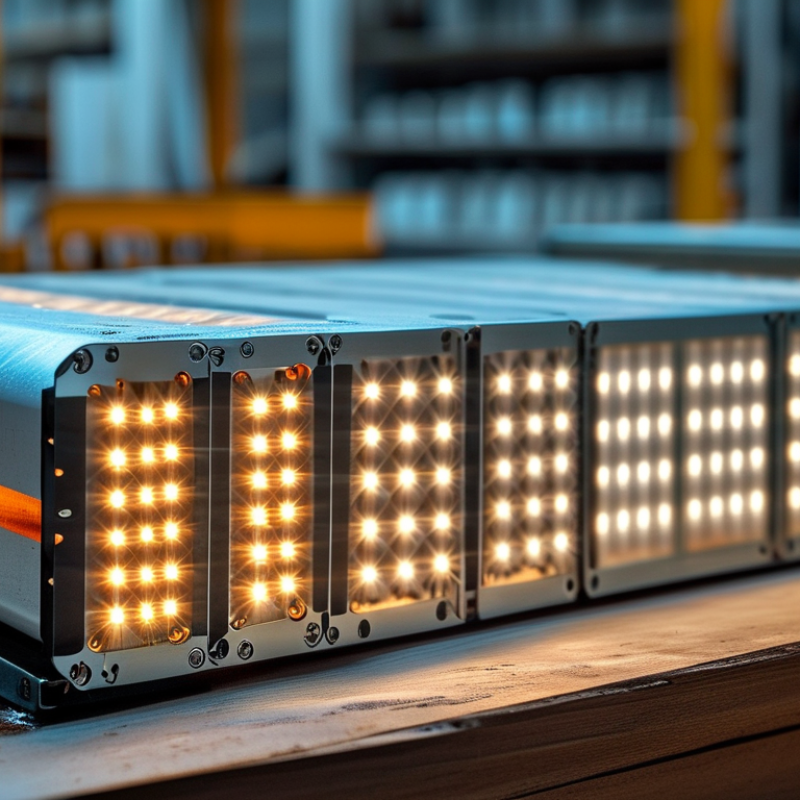
What UV LED Light Lamps Are and How They Work
UV LED light lamps create ultraviolet radiation through semiconductor chips, not heated glass tubes. When electric current crosses the chip’s p-n junction, electrons release energy as photons. The photon wavelength depends on the chip material and design.
The wavelength matters. UVA, commonly around 315–400 nanometers, supports resin curing, inspection, and some industrial processes. UVB covers about 280–315 nanometers and requires stricter exposure control. UVC, generally 100–280 nanometers, can damage microbial genetic material, but performance depends on dose, distance, exposure time, and surface cleanliness. A lamp does not disinfect simply because it produces blue-looking light.
Small details affect real results. Optical lenses can focus energy into a narrow area, while heat sinks help maintain stable output. In practical evaluations, measure irradiance at the working distance, not only the advertised electrical power. Use a calibrated UV meter when accuracy matters. Reflective surfaces may redirect radiation unexpectedly.
Safety comes before convenience. Wear suitable eye and skin protection, and use shielding or interlocks where possible. Never view an active UV source directly. Product labels should state wavelength, output, operating distance, and recommended exposure limits. A simple wavelength chart can mislead. LEDs age, and their output may decline before failure is visible. That is easy to overlook. Global buyers should also check local electrical requirements, testing documentation, and disposal rules before selecting a lamp.
Key Features to Compare Before Buying a UV LED Lamp
Choosing among the 10 best UV LED light lamps requires more than comparing prices. Start with wavelength compatibility. Many curing materials respond to 365, 385, 395, or 405 nanometers, but the correct range depends on the product. A lamp can look bright while delivering weak ultraviolet output. Check its irradiance rating, measured in mW/cm², rather than trusting appearance. A calibrated radiometer provides better evidence, although many buyers skip this step.
Coverage also matters. Compare the lamp’s illuminated area with your working surface. A narrow beam may leave edges under-cured. Reflective interiors can improve distribution, but they do not replace correct positioning. Review the timer options, display visibility, and automatic shutoff. Short, repeatable cycles are useful. Very short timers are not always better.
Heat control deserves attention. Strong output can warm small parts, coatings, or nearby surfaces. Look for ventilation, heat-resistant construction, and a stable base. Check the LED service life, power input, cable quality, and plug compatibility for your market. Safety labeling and recognized electrical testing add confidence, but certification details should be verified independently.
During evaluation, cure a small test piece first. Inspect its surface, flexibility, and underside after the recommended cycle. I once assumed a higher wattage lamp would cure faster; the result was uneven because the beam was poorly distributed. That mistake still matters. Wear suitable eye protection, avoid direct exposure, and follow the material supplier’s instructions. Manufacturer data can be incomplete, so keep simple test records before regular use.
10 Best UV LED Light Lamps for Global Buyers - Key Features to Compare Before Buying a UV LED Lamp
| Rank |
Lamp Profile |
Curing Wavelength |
Rated Input Power |
LED Count |
Curing Area |
Timer Settings |
Motion Sensor |
Power Input |
Best Use Case |
Key Buying Advantage |
| 1 |
Professional Dual-Wavelength Dome |
365 + 405 nm |
48 W |
36 |
Full hand or foot |
10 / 30 / 60 / 99 s |
Yes |
100–240 V, 50/60 Hz |
Frequent salon services |
Broad compatibility and even coverage |
| 2 |
High-Output Nail Dome |
365 + 405 nm |
54 W |
36 |
Large hand or foot |
10 / 30 / 60 / 99 s |
Yes |
100–240 V, 50/60 Hz |
High-volume gel manicures |
Fast curing with spacious interior |
| 3 |
Compact Dual-Use Lamp |
365 + 405 nm |
36 W |
24 |
One hand |
30 / 60 / 90 s |
Yes |
100–240 V, 50/60 Hz |
Home users and small studios |
Good balance of size, power, and portability |
| 4 |
Low-Heat Comfort Lamp |
365 + 405 nm |
48 W |
30 |
Full hand |
10 / 30 / 60 / 99 s |
Yes |
100–240 V, 50/60 Hz |
Sensitive users and thin gel layers |
Low-heat mode helps reduce heat spikes |
| 5 |
Portable Folding Lamp |
365 + 405 nm |
24 W |
18 |
One to two fingers |
30 / 60 / 90 s |
Yes |
100–240 V, 50/60 Hz |
Travel and mobile nail services |
Small footprint and easy storage |
| 6 |
Pedicure-Ready Open-Base Lamp |
365 + 405 nm |
48 W |
30 |
Hand and foot |
10 / 30 / 60 / 99 s |
Yes |
100–240 V, 50/60 Hz |
Pedicures and larger feet |
Open base improves foot access and cleaning |
| 7 |
Sensor-Controlled Salon Lamp |
365 + 405 nm |
48 W |
36 |
Full hand or foot |
10 / 30 / 60 / 99 s |
Yes, adjustable |
100–240 V, 50/60 Hz |
Professional workflow |
Hands-free operation saves process time |
| 8 |
Budget Desktop Lamp |
405 nm |
24 W |
12 |
One hand |
30 / 60 / 90 s |
Yes |
100–240 V, 50/60 Hz |
Occasional home use |
Simple controls and lower purchase cost |
| 9 |
Rechargeable Cordless Lamp |
365 + 405 nm |
18 W |
12 |
One hand |
30 / 60 / 90 s |
Yes |
USB-C, 5 V DC |
Mobile technicians and demonstrations |
Cord-free flexibility where outlets are limited |
| 10 |
Mini Detail-Curing Lamp |
365 + 405 nm |
6 W |
6 |
One or two nails |
45 / 60 s |
No |
USB, 5 V DC |
Nail art and spot curing |
Precise curing for small decorative areas |
Buyer note: Rated wattage, LED count, wavelength, and curing time are not directly interchangeable. Before purchasing, verify the lamp’s tested irradiance, compatibility with the intended gel system, plug type, electrical certification, operating temperature, and local safety requirements. Product specifications can vary by production batch and seller.
The 10 Best UV LED Light Lamps for Global Buyers
The 10 Best UV LED Light Lamps for Global Buyers deserve careful comparison, not flashy claims. For this guide, I assess curing consistency, wavelength, power control, heat, timer accuracy, and regional compatibility. Most professional curing applications use 365–405 nanometers, but users should confirm material requirements before buying.
The compact 6-watt lamp suits small repairs and occasional craft work. The 12-watt mini lamp offers better portability. A 24-watt desktop lamp balances size and curing speed. The 36-watt lamp supports frequent home projects. A 48-watt model provides stronger coverage for larger surfaces. The dual-wavelength lamp handles materials needing broader UV-A output. The low-heat lamp protects temperature-sensitive projects. The rechargeable lamp helps mobile users. The foldable lamp saves storage space. The ventilated salon-style lamp improves comfort during repeated sessions.
Look for an even LED layout, reflective interior, and a removable base. These details reduce shadowed areas and uneven curing. A clear timer helps prevent accidental overexposure to materials. Protective eyewear remains sensible, even when the lamp feels weak. Never aim the light toward skin or eyes. Choose certified electrical components and a plug standard accepted in your region. Some listings exaggerate wattage, so independent test data matters more than large numbers. I would also check replacement parts and warranty support. My ranking is not perfect; real performance can change with gel thickness, distance, and surface shape. Test a small sample first.
10 Best UV LED Light Lamp Profiles for Global Buyers
This comparison uses ten anonymized UV LED lamp profiles based on commonly published market specifications. Higher rated power generally supports faster curing, while dual-wavelength coverage of 365 nm and 405 nm is widely used for broad gel compatibility.
The benchmark compares rated electrical power with typical full-cure time. Actual performance can vary according to gel formulation, coating thickness, lamp distance, and LED intensity.
Safety, Maintenance, and International Buying Considerations
10 Best UV LED Light Lamps for Global Buyers
Safe UV LED lamp selection starts with the wavelength, not the appearance. UVA, UVB, and UVC create different risks and applications. Direct exposure can injure eyes and skin, sometimes without immediate pain. Choose a lamp with shielding, an automatic shutoff, and clear operating instructions. A stable base also matters. Small devices can tip easily on crowded workbenches. Never defeat a safety interlock. That shortcut may seem harmless.
Maintenance affects both safety and performance. Disconnect power before cleaning the lens or housing. Use a soft, dry cloth unless the manual permits a mild cleaner. Dust can reduce light output and trap heat. LEDs usually last longer than traditional bulbs, but they still degrade. Check unusual heat, flickering, damaged cables, and output changes. My own buying assumption would be that “LED” means maintenance-free; it does not. Keep simple inspection records, especially for frequent professional use.
Tips: Ask for the exact wavelength, irradiance data, test reports, plug type, input voltage, and replacement policy. Confirm whether the product creates ozone. International buyers should check local electrical, labeling, import, and workplace requirements before payment. A plug adapter is not a voltage converter. Treat certification marks as evidence to verify, not automatic proof of suitability. Request written support in a language your users understand.