How to Choose the Best UV LED Curing Equipment for Your Business?
Selecting the right UV LED curing equipment is crucial for businesses aiming to enhance productivity. The market for UV LED technology is projected to reach $5.6 billion by 2026, showing a steady annual growth rate of around 12%. This data highlights the increasing adoption of UV LED systems across various industries such as printing, coating, and adhesives.
Investing in UV LED curing equipment requires careful consideration of several factors. Businesses should evaluate energy efficiency, curing speed, and compatibility with materials. Reports indicate that UV LED systems can reduce energy consumption by up to 80% compared to traditional curing methods. However, some users face challenges regarding equipment costs and maintenance. Understanding these aspects can help prevent costly mistakes in equipment choices.
Choosing the best UV LED curing equipment can be daunting. Each piece of equipment has unique features that may affect overall performance. Business owners must weigh the benefits of advanced technology against potential drawbacks. Engaging with industry experts can provide valuable insights to navigate this complex landscape. Always consider long-term performance and reliability when making your final decision.
Understanding UV LED Curing Technology and Its Applications
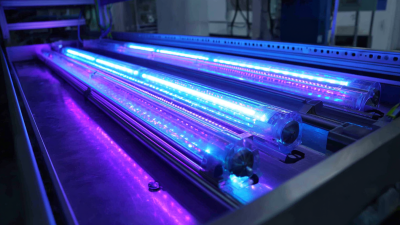
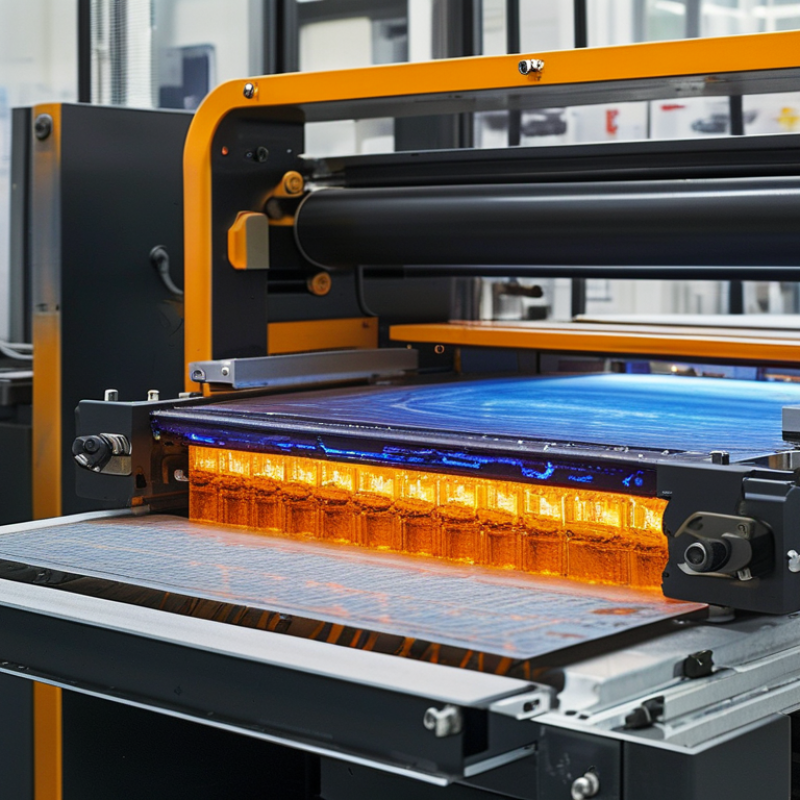
UV LED curing technology has transformed various industries, from printing to manufacturing. This innovative approach uses ultraviolet light to cure or harden materials quickly. A report from the Photopolymer International Association notes that this technology has seen a growth rate of over 20% annually. Many businesses are adopting UV LED curing to improve efficiency and reduce energy consumption.
Applications of UV LED curing are vast and versatile. In the printing sector, it ensures vibrant colors and faster production times. A study by Smithers Pira revealed that UV LED curing processes can reduce energy costs by up to 60% compared to traditional curing methods. The automotive industry uses it for coatings, achieving a durable finish that withstands wear and tear. However, challenges remain. Not all substrates respond well to UV curing. Businesses must evaluate material compatibility carefully.
Safety is also a concern. While UV LED technology is safer than traditional UV lamps, it still requires proper handling. Employees must use protective gear when operating these machines. Training is essential to minimize risks. Investing in reliable equipment and shielding can mitigate safety issues. The landscape of UV LED curing continues to evolve, presenting both opportunities and considerations for businesses looking to adopt this technology.
UV LED Curing Technology Applications
Key Factors to Consider When Choosing UV LED Curing Equipment
Choosing the right UV LED curing equipment is crucial for businesses aiming to improve efficiency and quality. One key factor to consider is the wavelength of the UV light. Different applications require specific wavelengths for optimal curing performance. For instance, according to industry reports, most UV printing processes work best at a 395 nm wavelength. This wavelength ensures effective polymerization and adhesion, resulting in higher quality prints.
Another important aspect is the power output of the equipment. Higher power outputs lead to faster curing times. However, it's essential to balance speed with potential heat generation. Overheating can damage substrates or reduce equipment longevity. Data suggests that businesses with equipment outputting between 30 to 100 watts per linear inch see significant efficiency improvements but need to monitor temperature closely.
Lastly, consider the size and layout of the curing unit. Compact units are ideal for small spaces but may limit production capacities. Larger setups can handle bigger batches but require more floor space and energy. Reflecting on operational needs helps to find the right fit. Compromises may be necessary, but an informed choice leads to better overall performance.
Comparing Different UV LED Curing Equipment Models and Features
When evaluating UV LED curing equipment, consider various models and features. Different machines offer varying wavelengths and power outputs. Understanding these specifications is crucial for selecting equipment that meets your needs. For instance, a model with adjustable intensity allows for more versatility in applications.
Reflect on your business requirements. Do you need compact equipment for small spaces or industrial-grade machines for larger projects? Ease of use is another important aspect. Some machines have user-friendly interfaces, while others may require technical expertise. Determine what fits best for your team's skill level.
A comparison of features can reveal strengths and weaknesses. Look at the curing speed—some models cure within seconds, while others take longer. Maintenance needs also vary; certain machines require more frequent servicing. Balancing performance and practicality is key to making the right choice.
Assessing Energy Efficiency and Operating Costs of Curing Systems
When selecting UV LED curing equipment, evaluating energy efficiency and operating costs is crucial. Energy efficiency impacts long-term operational expenses. A system that consumes less power can lead to significant savings. Examine the wattage and output capabilities of different curing systems. Lower energy consumption often translates to a reduced carbon footprint, which is increasingly important for businesses today.
Operating costs are not solely about energy usage. Maintenance and longevity play vital roles as well. Understand the maintenance requirements of the equipment. Some systems may have higher costs for parts and repairs. Look for equipment that minimizes downtime. This aspect reflects on overall productivity and profitability.
Consider also how the curing system fits into your production process. If it increases your speed, the return on investment may offset initial expenses. Reflect on which technologies enhance productivity without compromising quality. In today's fast-paced marketplace, ensuring both efficiency and cost-effectiveness is essential for sustainable growth.
Evaluating Manufacturer Support and Warranty Options for Your Equipment
When selecting UV LED curing equipment, evaluating manufacturer support and warranty options is crucial. Reliable support can make a significant difference in your operational efficiency. Consider how accessible customer service is for troubleshooting. Quick, knowledgeable responses can reduce downtime in your production process.
Tips: Always check for a detailed warranty. A robust warranty can cover parts and labor. Look for options that extend beyond one year. This indicates the manufacturer’s confidence in their product.
Next, assess training resources offered by the manufacturer. Effective training can enhance your team's ability to use the equipment optimally. A manufacturer that provides comprehensive training materials demonstrates commitment to customer success. Sometimes, a lack of support can hinder effective use of the machinery.
Tips: Ask about online resources like videos or manuals. Check if they offer on-site training for your team.
Your choice of equipment should align with your business needs. Otherwise, you may find yourself facing unexpected challenges. Keep your long-term goals in mind to select the best option.
How to Choose the Best UV LED Curing Equipment for Your Business?
| Criteria |
Evaluation |
| Curing Speed |
Fast curing speed is essential for production efficiency. |
| Wavelength Range |
Ensure compatibility with the inks or coatings used. |
| Manufacturer Support |
Access to technical support and resources for troubleshooting. |
| Warranty Period |
Longer warranty periods indicate manufacturer confidence in their products. |
| Energy Efficiency |
Lower energy consumption can reduce operational costs. |
| Price Point |
Balance between features and affordability is crucial. |
| User-Friendly Interface |
Ease of use can significantly impact workflow efficiency. |